If you’re searching for the most common animals in Cuyahoga Valley National Park, you’re in the right place. Located between Cleveland and Akron, Cuyahoga Valley National Park (CVNP) is one of the best places in Ohio to see wildlife.
From massive white-tailed deer to playful river otters, this park is home to more than 50 species of mammals, 200+ birds, and countless reptiles, amphibians, and fish.
Below is a complete guide to the 10 most common animals in Cuyahoga Valley National Park, where to find them, and the best time of year to see each one.
1. White-Tailed Deer
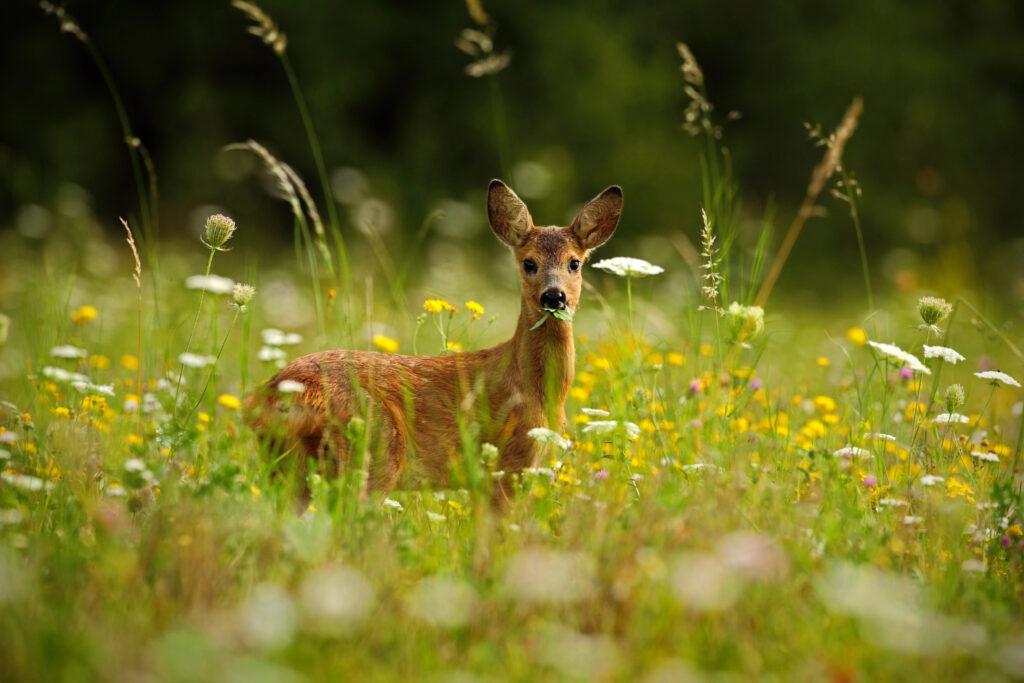
White-tailed deer are the most common animal in Cuyahoga Valley National Park. No matter when or where you go, you have a high likelihood of seeing doe and buck deer.
You’ll spot them grazing in open meadows at dawn and dusk. They are also very common throughout the forest at any time of day, and you’ll always have to keep an eye on the road when driving, as they sometimes even cross the road. Because of the abundance of deer in the park, some trails may be closed from time to time for culling.
Where to see them:
Best time: Year-round (rutting season in fall is especially active)
2. Beaver

Beavers were once wiped out not only in the Cuyahoga Valley region but also throughout Ohio during the historical era of fur trading. In the past 20 years, though, they have made a huge comeback.
They can be seen throughout canals in the Cuyahoga Valley National Park and certain sections of the Cuyahoga River. Most significantly, their dams created the famous Beaver Marsh (section of the Towpath Trail), which is now the park’s top wildlife viewing spot.
Look for:
- Gnawed trees
- Several large logs together in still water
- Tail splashes at sunset
- Beaver dams
Best time: Early morning or evening
3. River Otter

The North American River Otter has been an elusive mammal in the Cuyahoga Valley National Park, but has slowly been returning to the Cuyahoga River watershed. While not as popular as the Beaver, the River Otter provides quite a show and is a treat when you get to see one.
The return of River Otters to the area signifies improved water quality. Make sure to bring a pair of binoculars because these are shy, fast swimmers often seen along the shore. If you are a kayaker, you will also have a great chance to see them in between the Red Lock and Station Road Bridge section of the river.
Where:
- Cuyahoga River
- Beaver Marsh
- Wetland areas
Best time: Early Winter (tracks in snow make them easier to detect)
4. Coyote
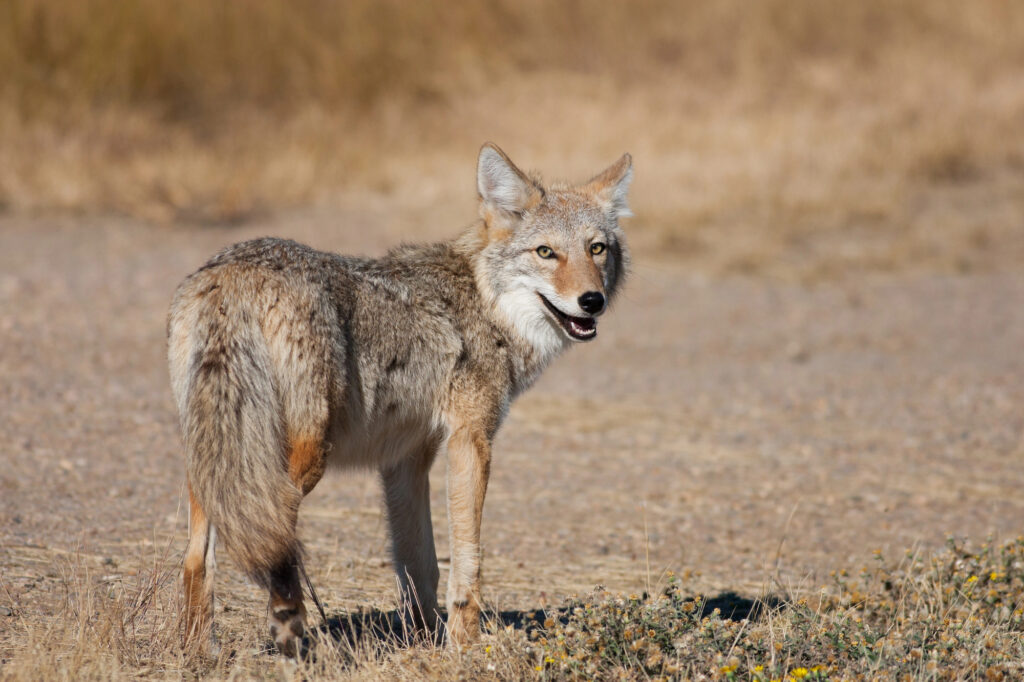
Coyotes, the quiet predator, thrive in Cuyahoga Valley National Park’s mixed forest and meadow habitat. While there are over 250 coyotes in Cuyahoga Valley National Park, you’re more likely to hear them than see them. Every fall and early winter, I hear them late at night on the Towpath Trail near Brecksville, Ohio.
It should be noted that coyotes are the most elusive animal in the park, and some people go their entire life without seeing them. When you do have the opportunity to see them, it is usually for just a few seconds, as they are extremely skittish around humans.
Where:
- Towpath Trail
- Oak Hill Trail
- Old Carriage Trail
Best chance: Winter mornings in open areas when snow has just melted
5. Great Blue Heron

The wetland giant, the Great Blue Heron, stands over four feet tall and patrols the wetlands and riverbanks of Cuyahoga Valley National Park. This is one of the most popular birds in the National Park and is most common along the towpath and in the trees near the bald eagle nests by Station Road Bridge trailhead.
What you’ll love about this bird is just how beautiful its feathers are, a gray/blue tint that cannot be seen in any other bird. Not only this, but you’ll be amazed at how long these birds are when you see them flying in the sky. They are so big that they make bald eagles look small!
Best viewing spots:
- Beaver Marsh boardwalk
- Ira Trail wetlands
- Along the Towpath Trail
Best time: Spring through fall
6. Barred Owl
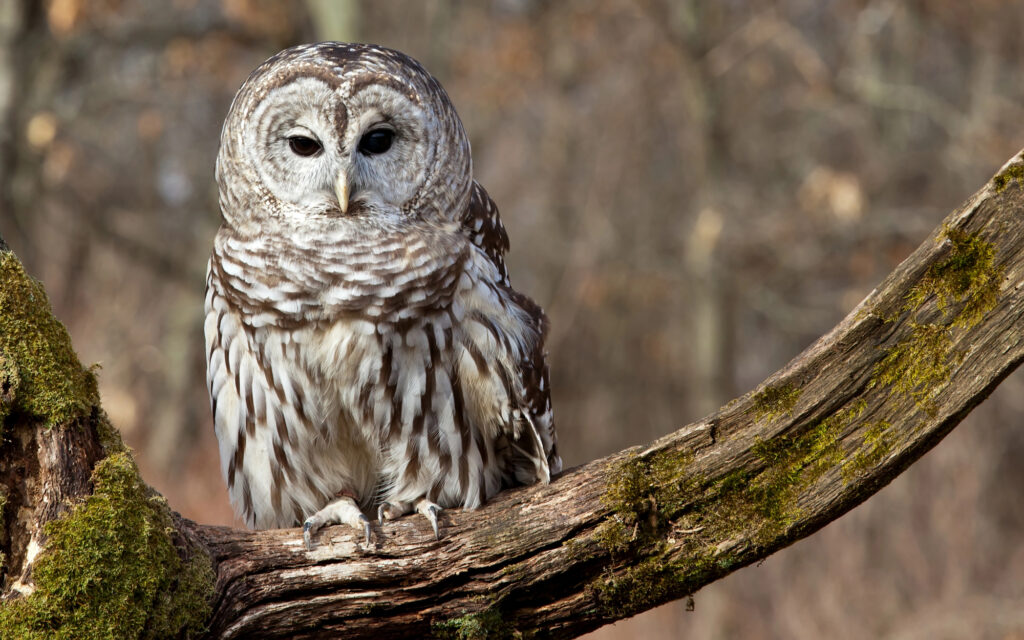
Famous for its distinguishable call, the barred owl is one of the most exciting nighttime sightings in Cuyahoga Valley National Park and is often referred to as the voice of the forest.
While there are numerous owls that you can see in the park, the barred owl is the most common. They are “easily” seen because they typically stay within the same few-mile radius of their nesting area and can even be seen sometimes during the day.
You can usually find them nesting in tree cavities, evergreen trees, and nest boxes in mature forests and the park.
Where:
- Deep forest trails
- Virginia Kendall Ledges area
- Towpath Trail
Best time: Late fall through early spring
7. Wild Turkey
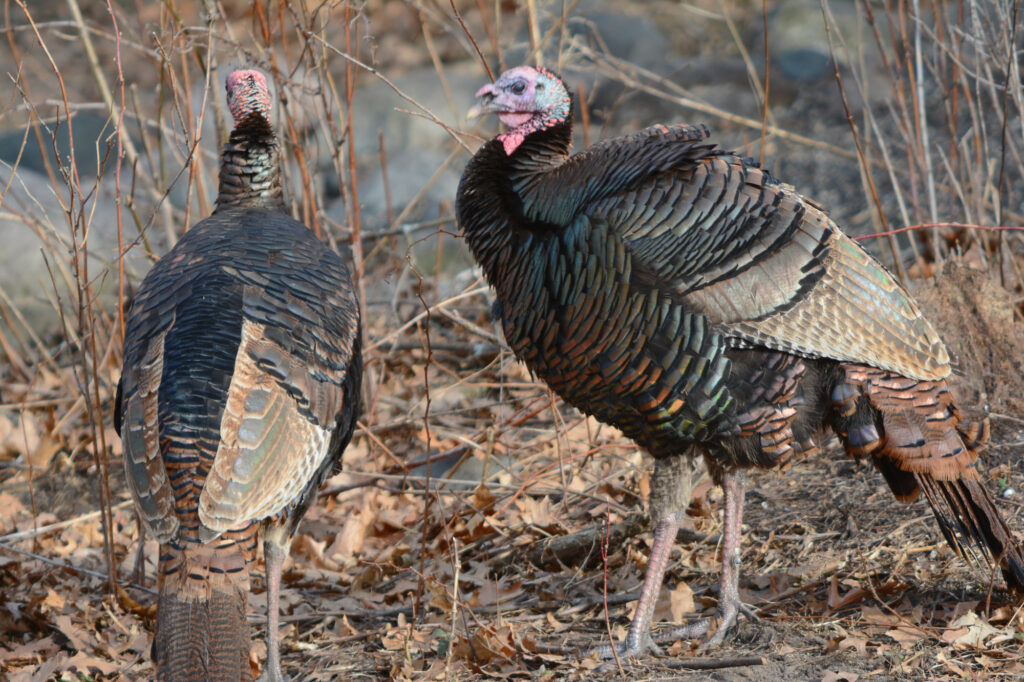
If you want to see an animal that tends to travel in flocks or large numbers, then look no further than the wild turkey that can often be seen in large meadows and cross-trails within the Cuyahoga Valley National Park.
It’s easy to confuse the wild turkey for vultures sometimes, but you can tell the difference because they are large birds standing at 3 to 4 feet tall, weighing up to 25 pounds, and having the distinguishable colors of turkeys you see in books and on TV.
Best spots:
- Open meadows
- Edge habitats near woods
- Crossing trails
Best time: Spring (mating displays are dramatic)
8. Eastern Box Turtle

The Eastern Box Turtle is a threatened species in Ohio that can be found in forested areas throughout Cuyahoga Valley National Park. This colorful turtle is slow but steady, making it incredibly easy to spot and observe throughout the park.
When looking for the eastern box turtle, it is important to note that they are commonly mistaken for other turtles that can be found in the park. You can identify this type of turtle by its high-dome, dark shell with yellow or orange blotches, and a specialized hinge plastron that allows them to box themselves into the shell.
Best spots:
- Forested Areas
- Towpath
- Beaver Marsh
Important: Do not disturb or move them.
Best time: Warm, humid summer days after rain
9. Red Fox
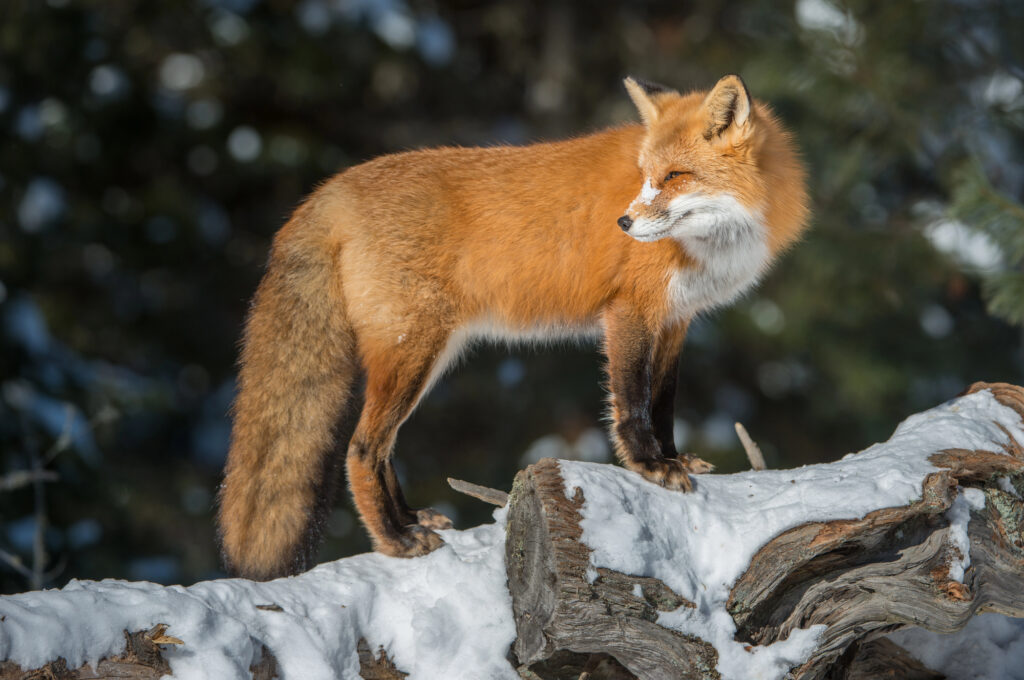
Red foxes and their elusive beauty are occasionally spotted hunting in meadows at sunrise. Typically, you can observe these majestic creatures in fields, the edges of forests, and other open areas.
You can tell this type of fox from others by their reddish-orange fur color, although at certain times of year, it looks brown with silvery phases. They are also opportunistic nocturnal hunters feeding on small mammals, birds, and fruit.
Where:
- Kendall Lake Trail
- Meadows Field (by Towpath)
- Sections of the Buckeye Trail
Best time: Winter (their red coats contrast beautifully against the snow)
10. Bald Eagle

Once endangered, bald eagles are a conservation success not only in Cuyahoga Valley National Park, but also throughout Ohio. In the Cuyahoga Valley, you can find my favorite bird nesting along the Cuyahoga River near Station Road Bridge on the Towpath Trail.
What stands out about this amazing bird is that it makes nests in old Great Blue Heron nests, nest size can be almost 6 feet and over 1 ton in weight, and they are more visible when leaves fall on the ground.
Where:
- Along the river corridor
- Near open water
- Towpath Trail (near station road bridge)
- Pinery Narrows
- Beaver Marsh
Best time: Late Spring and Summer
Best Places to See Wildlife in Cuyahoga Valley National Park
If you want the highest chance of seeing animals, head to:
- Beaver Marsh – Wetland hotspot for herons, beavers, otters
- Towpath Trail – Great for deer, turkeys, eagles, and amphibians
- Kendall Ledges – Owls and forest mammals
- Wetmore Trail – Coyotes, Reptiles, deer
When Is the Best Time to See Animals in Cuyahoga Valley National Park?
- Spring: Bird activity peaks, turkey displays, and herons nesting
- Summer: Turtles, snakes, and active wetlands
- Fall: Deer rutting season
- Winter: Best time to spot coyotes, foxes, and eagle activity
Wildlife Watching Tips for CVNP
- Go at sunrise or sunset
- Walk quietly and scan the edges of the forests
- Bring binoculars
- Stay on trails
- Never feed wildlife
Why Cuyahoga Valley National Park Is One of the Best Wildlife Parks in Ohio
Even though it’s close to Cleveland, Cuyahoga Valley National Park offers an impressive diversity of animals in a relatively small area.
Wetlands, forests, meadows, and the river corridor create an ideal habitat for mammals, birds, reptiles, and amphibians.
You don’t need to travel to Yellowstone to see wild animals; some of Ohio’s best wildlife experiences are right here.
Frequently Asked Questions
White-tailed deer are the most commonly seen large animal.
Black bears occasionally pass through northeast Ohio, but are extremely rare in Cuyahoga Valley National Park.
Yes. Several nesting pairs live along the Cuyahoga River on the Towpath Trail
The Beaver Marsh on the boardwalk is the best place to see beavers.
Yes. There are over 200 coyotes in Cuyahoga Valley National Park, and they are common in the fall and winter.